New AIOC Hardware Now Available This Summer
I’m refreshing my AIOC project with new hardware and software, and I’m excited to share what’s coming.
COS (Carrier Operated Signal) is used by applications like AllStarLink (ASL3) to indicate that a radio carrier is present, it not based upon the sound received, but on the carrier being present (even is there is no speech at the time). Good COS performance is important so that the ASL3 (or similar) software knows when to be sending the signal to the other party, and when to stop sending.
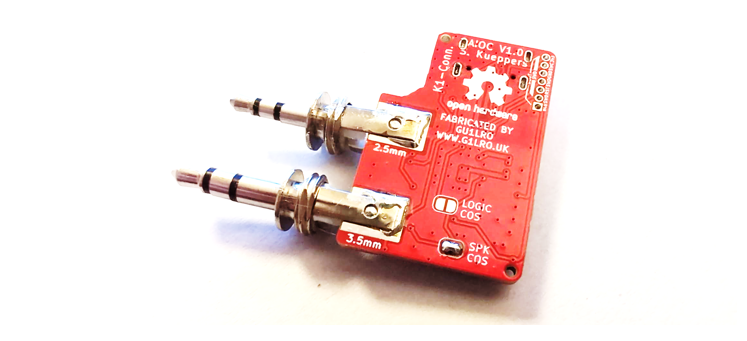
This new AIOC hardware version stays true to the original AIOC form factor and dimensions while integrating new circuitry to provide several meaningful improvements. It uses the standard v1.3 or later firmware:
Hardware COS — Speaker Bias Method ‘Perfect COS’ for low-cost HTs in the Baofeng class, the new board includes hardware COS detection using the speaker bias method to reliably detect an open squelch. This delivers consistent hotspot performance that virtual COS implementations simply can’t match — no more dropped keying or intermittent behaviour.
Hardware COS — Logic-Level For HTs with logic-level COS support, such as the Tidradio H3, a dedicated logic-level COS input is included. This also opens the door to other use cases like integration with an SA818 module or an APRS repeater.
Improved Voltage Regulation The dual regulator has been replaced with two discrete regulators, offering better short-circuit protection — particularly useful given the open, “naked” nature of the AIOC board — along with improved overall reliability.
Circuit Layout Refinements Vulnerable tracks have been moved away from plug solder joints, and pads have been made larger and easier to work with, reducing construction risk and making the build more beginner-friendly.
New Setup Scripts for ASL3 AllStarLink v3 supports the AIOC, but currently requires manual file editing. I’ll be releasing a single-line setup script that handles all the necessary modifications to ASL3, eliminating errors and making the process far more accessible.
New ASL3 How-To Documentation Configuration guidance on this blog has drifted out of sync with the current state of ASL3 and AIOC over the years. I’ll be publishing a definitive how-to guide covering a complete simple hotspot build using the G1LRO AIOC card and a low-cost HT, with full use of the advanced COS functionality for reliable, professional-grade performance. Video walkthroughs are planned too, and I’ll be sending sample boards to some YouTube friends for independent reviews.
Buy Online today.